Source Food Grade Red Wine Extract for Health Food, Medicine, and Cosmetics
Explore 30 listings for food grade red wine extract suitable for health food, medicine, and cosmetic applications. Buyers can compare specifications, certifications, and pricing to find the right supplier for their needs.
Key considerations
Products List


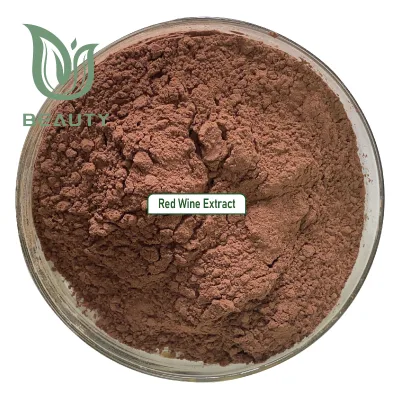


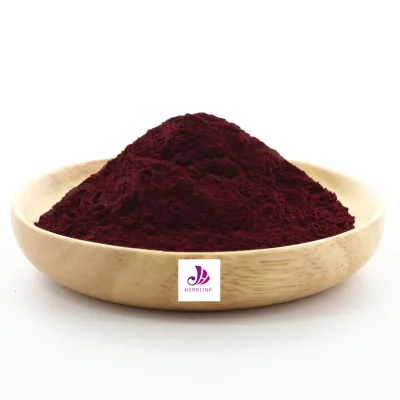




Comprehensive Sourcing Guide
Strategic Sourcing Guide for Food Grade Red Wine Extract
Navigating the global market for food grade red wine extract requires a disciplined approach that balances technical specification verification with rigorous compliance checks. Buyers entering this sector must distinguish between general herbal extract categories and specific red wine derivatives, ensuring that every procurement decision is grounded in verifiable data rather than marketing assertions. The following guide outlines the critical dimensions of sourcing this ingredient, focusing on the intersection of regulatory standards, physical attributes, and supply chain reliability.
Technical Specifications and Physical Attributes
The foundation of any successful procurement begins with a precise understanding of the product's physical and chemical profile. Red wine extract, often derived from grape skins or seeds, presents unique challenges regarding its state and concentration. Market observations indicate that this ingredient can appear in various forms, including powders and liquids. When sourcing, buyers must explicitly verify the state of the product, as specifications such as "Powder" or "Yellow Liquid" dictate downstream processing requirements and storage logistics.
Assay methods are equally critical for validating the potency of the extract. Reliable suppliers typically utilize High-Performance Liquid Chromatography (HPLC) and Ultraviolet (UV) spectroscopy to determine the concentration of active compounds. The standard concentration ranges observed in the market vary significantly; some listings specify purity levels such as 98% HPLC, while others may offer standardized extracts with ranges like 20-90% or specific percentages such as 5%, 8%, and 10%. It is imperative for the buyer to confirm the exact specification model, such as SNC00650 or SNC00119, as these identifiers often correlate with distinct purity profiles and extraction methods.
Furthermore, the part of the plant or source material used influences the final product. While some extracts are derived from bark or specific artificial planting methods, red wine extracts are typically associated with the fruit or skin of the grape. The extraction type, whether liquid-solid or another method, impacts the solubility and bioavailability of the final ingredient. Buyers should request detailed technical data sheets that confirm the extraction type and the specific part of the source material to ensure alignment with their formulation needs.
Compliance and Certification Verification
In the food and health supplement industries, certification is not merely a formality but a prerequisite for market access. A robust sourcing strategy must prioritize suppliers who hold recognized international certifications. The supply chain data highlights several key certifications, including HACCP, ISO, BRC, and RoHS. Additionally, FDA registration is frequently cited as a critical compliance marker for products intended for the North American market.
When evaluating a potential supplier, buyers should not accept a generic claim of compliance. Instead, they must request current, valid certificates that explicitly list the scope of certification. For instance, a supplier claiming ISO certification should specify whether it is ISO 9001 for quality management or other relevant standards. The presence of HACCP certification is particularly vital for food-grade ingredients, as it demonstrates a systematic approach to food safety management. Similarly, BRC certification indicates adherence to rigorous global standards for food safety and quality.
RoHS compliance, while often associated with electronics, may appear in broader chemical supply contexts regarding the restriction of hazardous substances. However, the primary focus for food grade extracts should remain on food safety certifications. Buyers must verify that the certifications cover the specific manufacturing site and the specific product line, as certifications can sometimes be facility-specific rather than product-specific. The absence of these certifications should be treated as a significant risk factor, potentially leading to regulatory hurdles or product rejection in key markets.
Cost Drivers and Pricing Dynamics
The pricing of food grade red wine extract is influenced by a complex matrix of factors, including purity, extraction method, and order volume. The observed market price range spans from $0.01 to $300 per unit, a variance that reflects differences in concentration, packaging, and supplier positioning. High-purity extracts, such as those with 99% or 98% HPLC specifications, generally command a premium over lower concentration variants.
Minimum Order Quantity (MOQ) is another significant cost driver. The market exhibits a wide range of MOQs, from 1 kg to 100,000 units. For small-scale manufacturers or startups, suppliers offering an MOQ of 1 kg or 1,000 kg (1kgs) provide essential flexibility, though the per-unit cost may be higher. Conversely, large-scale industrial buyers can leverage economies of scale by negotiating for bulk orders, often utilizing standard packaging like 25 kg drums to reduce logistics costs.
Packaging requirements also impact the final cost. Options such as foil bags for 1 kg quantities or drums for 25 kg quantities must be factored into the total landed cost. Additionally, the origin of the product, often cited as China or specific regions like Shaanxi, can influence pricing due to labor costs, raw material availability, and export regulations. Buyers should request a detailed breakdown of costs, including raw material, processing, packaging, and shipping, to understand the true cost structure and identify potential areas for negotiation.
Typical Applications and Functional Benefits
Red wine extract is valued in the market for its diverse functional properties, making it suitable for a wide array of applications. The primary application sectors include medicine, health care products, and food. Specific functional claims associated with these extracts often include the enhancement of skin and hair follicle activity, the elimination of free radicals, and the inhibition of hair follicle aging. These attributes make the ingredient particularly relevant for hair care products and cosmetic formulations.
Beyond cosmetic applications, red wine extract is utilized for its potential health benefits, such as preventing cardiovascular and cerebrovascular diseases. This functional profile aligns well with the health food sector, where antioxidants and anti-inflammatory properties are highly sought after. The product can be formulated into various application forms, including capsules, tablets, pastes, lotions, and even injections, depending on the intended use and regulatory requirements of the target market.
The versatility of the extract allows it to be integrated into different product categories. For instance, the "Grapefruit Flavor" noted in some product listings suggests potential use in flavored beverages or supplements, although this may vary by specific extract formulation. Buyers must ensure that the functional claims of the supplier align with the intended application of their final product, as regulatory bodies often require substantiation for health-related claims.
Supplier Evaluation and Quality Control
Selecting the right supplier is a critical step that extends beyond price and certification. Buyers should evaluate suppliers based on their production capabilities, quality control systems, and responsiveness. The availability of customization is a key differentiator, allowing buyers to tailor the product to specific needs, such as specific purity levels or packaging formats.
Quality control should be a continuous process, not a one-time check. Buyers must insist on pre-shipment samples to verify attributes such as color, odor, and appearance. For example, a "brown" color or "yellow liquid" appearance should be consistent with the agreed specifications. Storage conditions are also vital; products should be stored in cool, dry areas to maintain stability and shelf life, which is typically around 2 years.
Suppliers should provide comprehensive test results, including assay methods like HPLC and UV, to verify the potency and purity of the batch. The presence of a "Sample Available" option is a positive indicator of a supplier's confidence in their product quality. Additionally, buyers should verify the supplier's ability to handle pallets "as per request," ensuring that logistics and shipping requirements are met without damage to the product.
Long-Term Procurement Considerations
Sourcing food grade red wine extract is a long-term commitment that requires strategic planning. Buyers should consider the stability of the supply chain, including the supplier's ability to maintain consistent quality over time. The cultivation method, such as artificial planting, can affect the consistency of the raw material, and buyers should inquire about the sustainability and reliability of the source.
Seasonality is another factor to consider, although some products are available "All Seasons." However, fluctuations in raw material availability can impact supply stability. Buyers should establish long-term contracts with clear terms regarding price adjustments, delivery schedules, and quality guarantees. The brand name, such as "Meiyou," may indicate a specific manufacturer, but buyers should focus on the underlying production standards rather than brand recognition alone.
Finally, buyers must remain vigilant about regulatory changes and market trends. As the demand for natural and functional ingredients grows, the regulatory landscape may evolve. Maintaining open communication with suppliers and staying informed about industry standards will ensure that the procurement strategy remains robust and adaptable to future challenges. By adhering to these principles, buyers can secure a reliable supply of high-quality food grade red wine extract that meets their operational and regulatory requirements.
FAQs
What certifications do food grade red wine extract suppliers hold?
Suppliers typically hold HACCP, ISO, BRC, and RoHS certifications. Some listings also include FDA registration. Buyers must verify that these certificates cover the specific manufacturing site and product line to ensure compliance with food safety standards.
How is the purity of the extract verified by manufacturers?
Purity is verified using High-Performance Liquid Chromatography and Ultraviolet spectroscopy methods. Specifications vary from 20-90% to 98% HPLC or 99% depending on the model. Buyers should request technical data sheets confirming the exact assay method used for their batch.
Which physical forms can this extract appear in for buyers?
The extract appears as powder or yellow liquid depending on the specific product model. Application forms include capsules, tablets, pastes, lotions, and injections. Buyers must explicitly verify the state of the product as it dictates downstream processing and storage logistics.
Can suppliers customize the packaging and order quantities?
Customization is available for packaging formats like 1kg foil bags or 25kg drums. Minimum order quantities range from 1 kg to 100,000 units. Buyers should confirm pallet requirements and specific packaging requests to align with their logistical needs.
What are the primary functional benefits of this ingredient?
Key functions include enhancing skin hair follicle activity and eliminating free radicals. It also inhibits hair follicle aging and may prevent cardiovascular disease. These attributes make it suitable for hair care, medicine, and health food applications.
How long is the shelf life and how should it be stored?
The shelf life is typically 2 years if stored correctly. Products must be kept in a cool and dry place or a cool dry area. Proper storage ensures stability and maintains the potency of the active compounds throughout the product's lifecycle.
Where are these food grade extracts typically sourced from?
Products originate from China, with specific locations like Shaanxi mentioned. The cultivation method is often artificial planting. Buyers should verify the place of origin to understand supply chain dynamics and potential export regulations affecting their procurement.